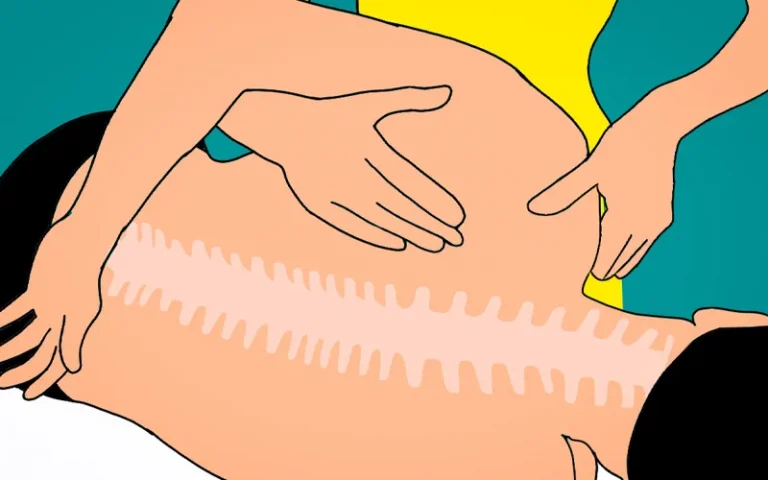
Chiropractic care has grown into one of the most widely used forms of natural healthcare. People turn to chiropractors for back pain, neck stiffness, headaches, joint problems, and overall wellness. Despite its popularity, chiropractic treatment is still misunderstood by many.
Because of misinformation, some people avoid chiropractors altogether, even though this form of care could bring them significant relief. To make better choices, it’s important to separate fact from fiction. Here are the most common misconceptions about chiropractic care—and the truth behind them.
Misconception 1: Chiropractors Just Crack Backs
A common image of chiropractors is that all they do is “crack” people’s backs. While spinal adjustments are a core part of treatment, they are only one of many techniques.
Chiropractors also:
-
Provide soft tissue therapies (massage, stretching, trigger point therapy)
-
Guide patients in posture and ergonomics
-
Design corrective exercise programs
-
Offer nutrition and lifestyle counseling
-
Support long-term wellness through preventive care
The popping sound during an adjustment isn’t bones breaking—it’s the release of gas bubbles from joints. The goal isn’t cracking but restoring proper alignment and function.
Misconception 2: Chiropractic Care Is Unsafe
Some people believe spinal adjustments are risky. In reality, chiropractic care is generally safe when provided by a licensed professional.
-
Most patients only experience mild, short-term side effects like stiffness, fatigue, or soreness.
-
Serious complications such as stroke or nerve injury are extremely rare (about 1 in several million treatments).
-
For many, chiropractic care is a safer alternative to long-term pain medications or invasive surgery.
Like any medical treatment, chiropractic care isn’t risk-free, but when practiced responsibly, it is considered very safe.
Misconception 3: Chiropractors Aren’t Real Doctors
Another myth is that chiropractors lack professional training. While chiropractors aren’t medical doctors (MDs), they are Doctors of Chiropractic (DCs) and go through rigorous education.
-
Undergraduate studies in biology or health sciences
-
4 years of chiropractic doctoral training
-
Hands-on clinical internships
-
Licensing exams before practice
Their focus is different from MDs—emphasizing spinal health and manual therapy—but they are highly trained professionals in their specialty.
Misconception 4: Chiropractic Is Only for Back Pain
While back pain is the most common reason people visit chiropractors, treatment isn’t limited to that. Chiropractors also address:
-
Neck pain and stiffness
-
Migraines and tension headaches
-
Sciatica and nerve-related pain
-
Shoulder, hip, and knee problems
-
Sports injuries
-
Postural issues from long hours of sitting
Many people even choose chiropractic for preventive wellness, to keep their spine healthy and avoid future problems.
Misconception 5: Once You Start, You Can Never Stop
A popular belief is that seeing a chiropractor locks you into endless appointments. This is not true.
Chiropractic care usually happens in three stages:
-
Relief care – Short-term treatments to reduce pain.
-
Corrective care – Addressing deeper alignment or posture issues.
-
Wellness care – Optional visits to maintain spinal health.
Patients choose how far they want to go. Some only come when pain returns, while others prefer regular maintenance. It’s entirely up to the individual.
Misconception 6: Chiropractic Adjustments Hurt
People often assume that adjustments must be painful. In reality, adjustments are usually painless and often bring immediate relief.
-
Patients may feel gentle pressure or hear popping sounds.
-
Many describe the experience as relaxing or releasing tension.
-
For those nervous about traditional methods, chiropractors offer gentler techniques like Activator tools or drop-table adjustments.
Far from being painful, many patients find the process pleasant.
Misconception 7: Chiropractic Care Isn’t Backed by Science
Some skeptics argue that chiropractic isn’t evidence-based. However, decades of research show strong support for chiropractic care—particularly for spinal and musculoskeletal conditions.
Studies confirm that chiropractic can:
-
Reduce back and neck pain
-
Improve range of motion
-
Decrease frequency of headaches
-
Reduce reliance on pain medications
While claims about treating non-musculoskeletal conditions remain less supported, there is solid scientific evidence for chiropractic’s role in pain management and mobility.
Misconception 8: It’s Unsafe for Children and Seniors
Another myth is that chiropractic adjustments are too harsh for children or elderly patients. In reality, chiropractors adapt their techniques to suit the patient.
-
Children often receive very gentle adjustments, sometimes with just fingertip pressure.
-
Seniors with fragile bones may receive soft, low-force methods such as drop-table or flexion-distraction therapy.
When performed correctly, chiropractic care can be safe and beneficial across all age groups.
Misconception 9: Chiropractors Work Alone
Some people think chiropractors isolate themselves from conventional medicine. The truth is, many chiropractors collaborate with doctors, physical therapists, and other health professionals.
-
They may refer patients to MDs for infections, fractures, or conditions outside their expertise.
-
They often work in multidisciplinary clinics.
Chiropractic is increasingly recognized as a valuable complement to traditional medicine.
Misconception 10: Chiropractic Care Is Too Expensive
Cost is another concern. Some believe chiropractic care is an expensive luxury. In reality:
-
Many insurance plans cover chiropractic treatment, especially for back and neck pain.
-
Compared to surgery or long-term medication, it is often more affordable.
-
Many clinics offer flexible payment plans.
When weighed against the potential savings in healthcare costs, chiropractic care can be a cost-effective solution.
The Truth About Chiropractic Care
Chiropractic care isn’t a cure-all, nor is it unsafe “back cracking.” The truth lies in the middle. For most people, it’s a safe, natural, and effective way to manage pain, improve posture, and support long-term health.
It’s not right for everyone—patients with certain conditions like bone cancer, spinal cord compression, or severe osteoporosis may need to avoid adjustments. But for the majority, chiropractic care is safe, effective, and scientifically supported.
Conclusion
Chiropractic care is surrounded by myths that often discourage people from trying it. The reality is very different. Chiropractors are trained professionals who use a variety of techniques to treat more than just back pain. Chiropractic care is safe for most people, backed by research, and often more affordable than other forms of treatment.
By understanding the facts and letting go of common misconceptions, patients can make informed choices about whether chiropractic care is right for them.
Leave a Reply