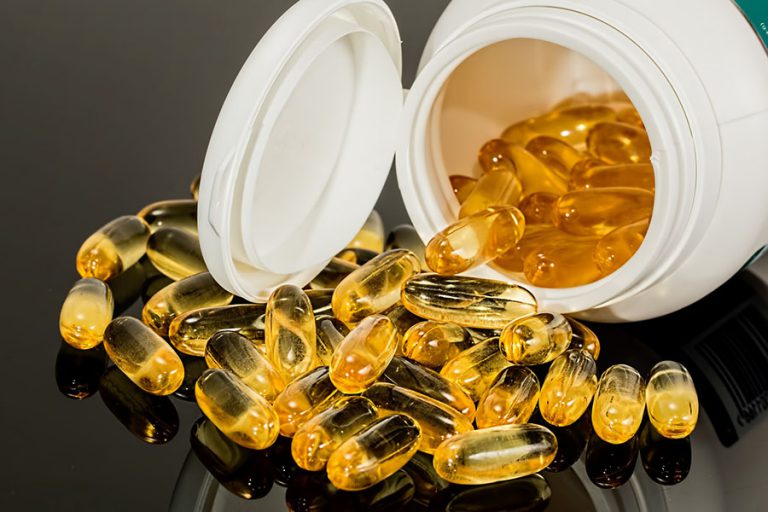
Vitamins and supplements are everywhere — from multivitamin tablets to omega-3 capsules and herbal extracts. They promise to boost health, fill nutritional gaps, and give extra energy. But many people wonder: How do supplements actually fit into our diets? Can they replace healthy eating, or do they just add to it?
The simple truth is that supplements are meant to work with your diet, not replace it. When combined with balanced nutrition, they can strengthen your health, but on their own, they can never do the job of food.
1. Food Comes First
A healthy, varied diet should always be the main source of nutrition. Whole foods provide not only vitamins and minerals but also fiber, antioxidants, and plant compounds that pills cannot fully replicate.
Examples from real foods:
-
Fresh fruits and vegetables: Vitamin C, potassium, and antioxidants.
-
Whole grains: B vitamins, iron, and dietary fiber.
-
Fish, poultry, and legumes: Protein, zinc, and iron.
-
Nuts and seeds: Healthy fats, magnesium, and Vitamin E.
Supplements add value only when this foundation is already in place.
2. Supplements Fill in the Gaps
Even with a balanced diet, certain nutrients can be hard to get in the right amounts. Busy lifestyles, restricted diets, and medical conditions often lead to deficiencies. This is where supplements prove useful.
Examples:
-
Vitamin D: Essential for bone and immune health, but hard to get without regular sun exposure.
-
Vitamin B12: Crucial for vegans and vegetarians since it’s found mostly in animal products.
-
Iron: Often needed by women of childbearing age or people with anemia.
-
Omega-3 fatty acids: Beneficial for heart and brain health but lacking in diets without fish.
Supplements step in as a safety net, not a substitute.
3. Diet and Supplements Work Better Together
Some vitamins and minerals are more effective when paired with certain foods — a synergy that shows why diet and supplements should work hand in hand.
-
Vitamin C + Iron: Vitamin C helps the body absorb iron from plant foods.
-
Vitamin D + Calcium: Together, they build stronger bones.
-
Fat-soluble vitamins (A, D, E, K) + Healthy fats: Olive oil, nuts, or avocado help the body absorb these vitamins more efficiently.
This balance highlights how food and supplements complement each other.
4. Why Supplements Can’t Replace Real Food
Supplements are powerful tools, but they have clear limits.
-
They don’t provide fiber, essential for digestion and heart health.
-
They lack the unique mix of antioxidants and phytonutrients found in whole foods.
-
Overuse can be harmful — for example, too much Vitamin A or D can cause toxicity.
Whole foods offer variety and balance that no capsule can match.
5. Who Needs Supplements Most?
Certain groups benefit greatly from combining diet with supplements:
-
Pregnant women: Folic acid and iron reduce risks for both mother and baby.
-
Older adults: Vitamin D, calcium, and B12 support bone strength and memory.
-
Vegans and vegetarians: Vitamin B12, iron, and omega-3s may need supplementing.
-
People with digestive issues: Conditions like celiac disease or Crohn’s can limit nutrient absorption.
6. Smart Tips for Using Supplements with Diet
-
Eat a colorful, varied diet first — fruits, vegetables, lean proteins, and whole grains.
-
Use supplements to support your diet, not to replace it.
-
Stick to safe doses — more is not always better.
-
Choose trusted brands with third-party quality checks.
-
Talk to a doctor or nutritionist before starting new supplements.
Final Thoughts
Supplements are not shortcuts to health — they are partners to a balanced diet. Food provides the foundation, while supplements help cover weak spots and enhance nutrient absorption.
In short: supplements support, but food sustains. Together — along with exercise, hydration, and good lifestyle choices — they can help you maintain strength, energy, and long-term wellness.
Leave a Reply